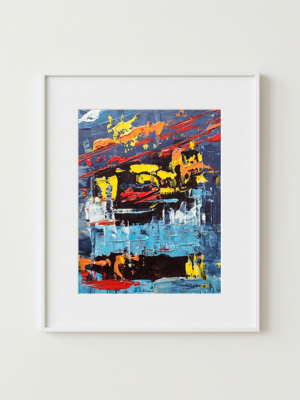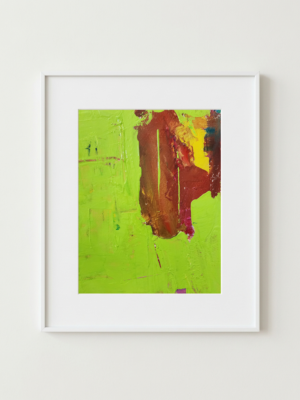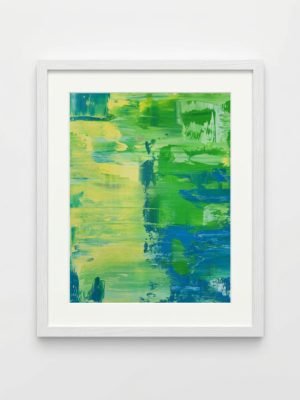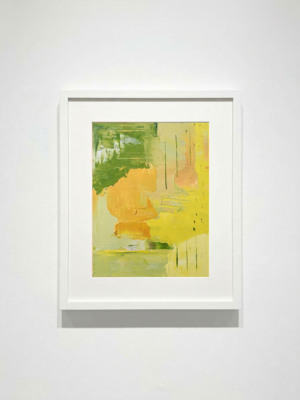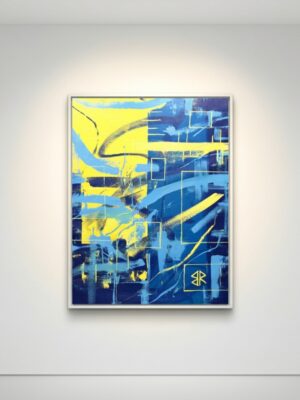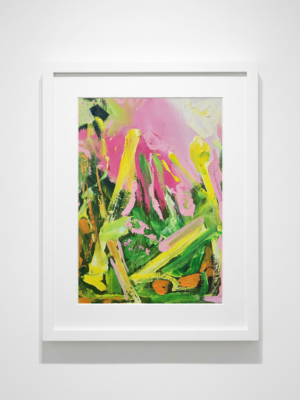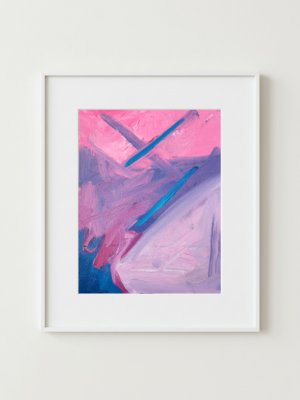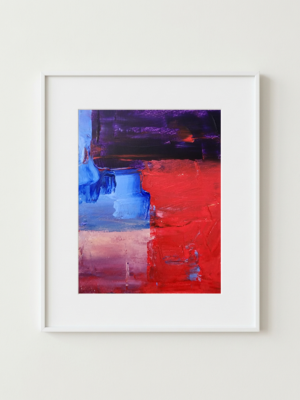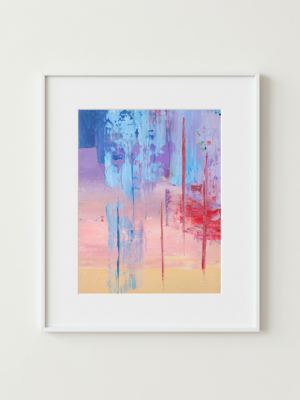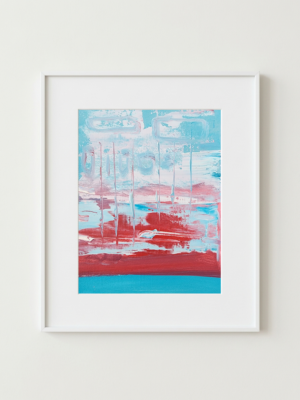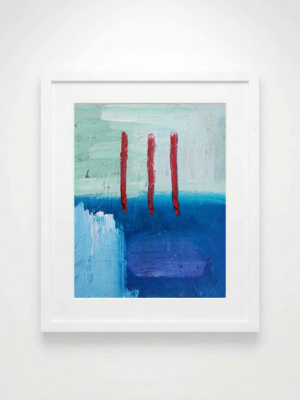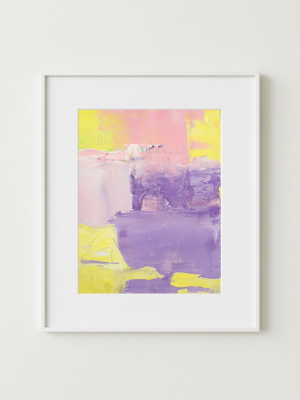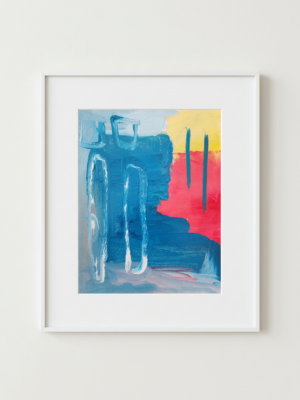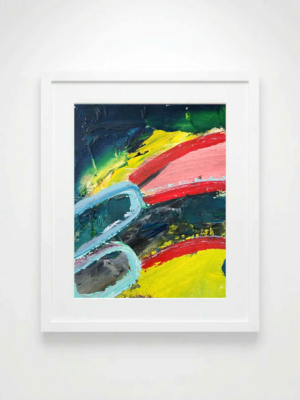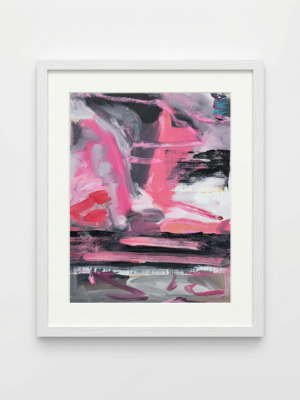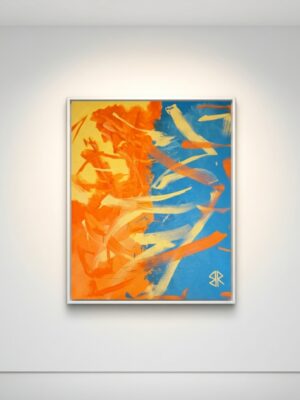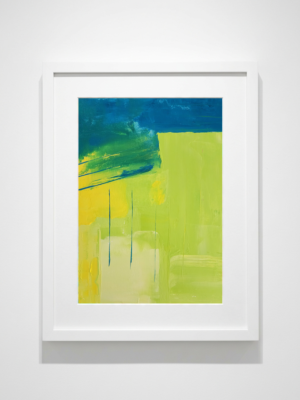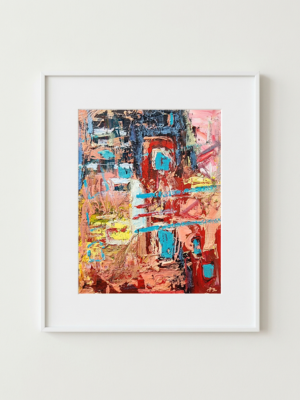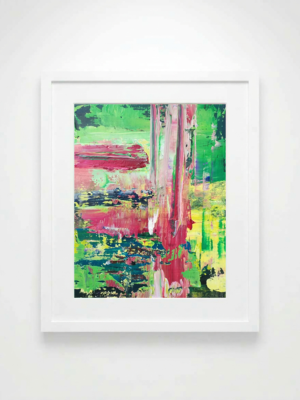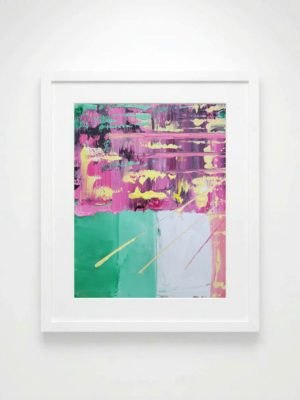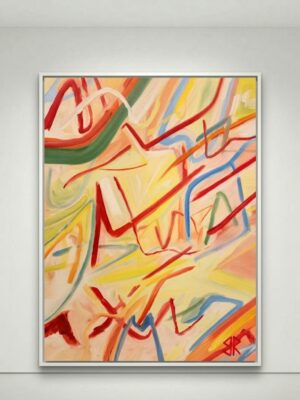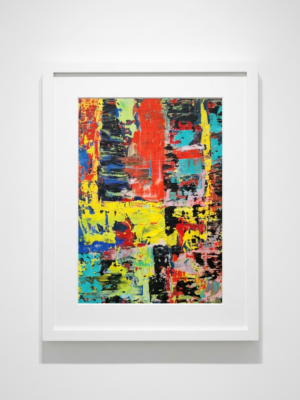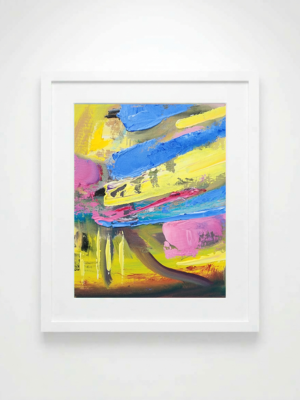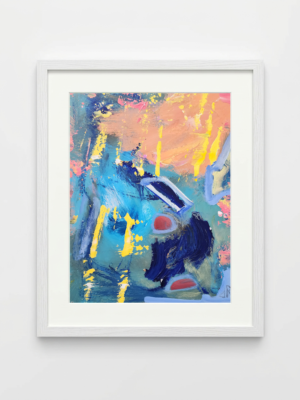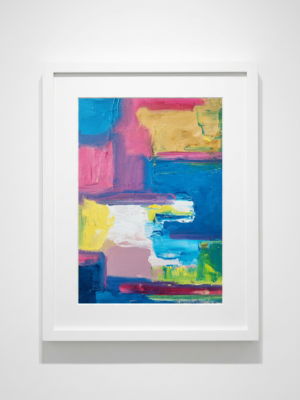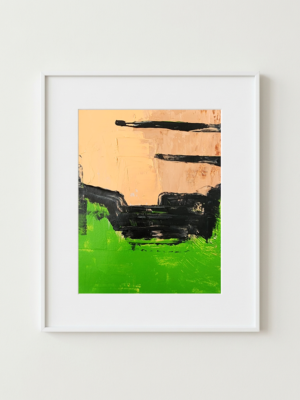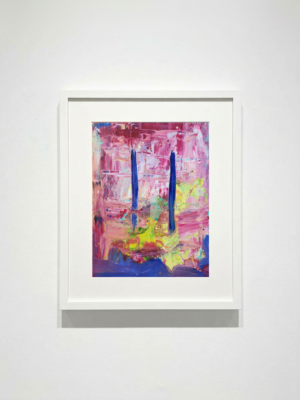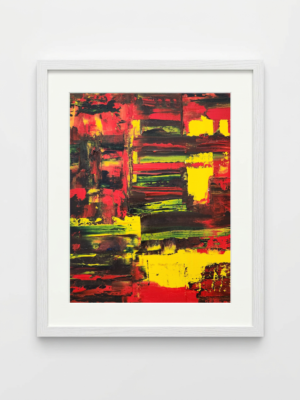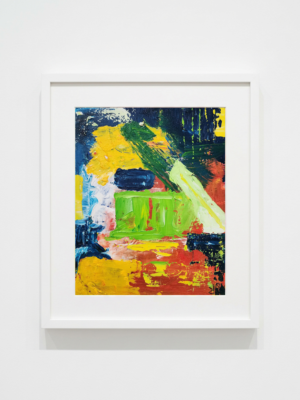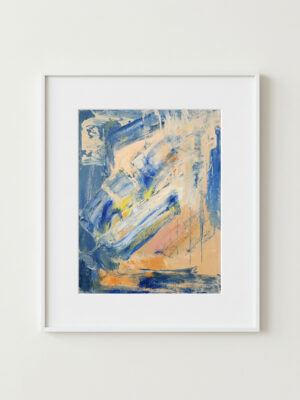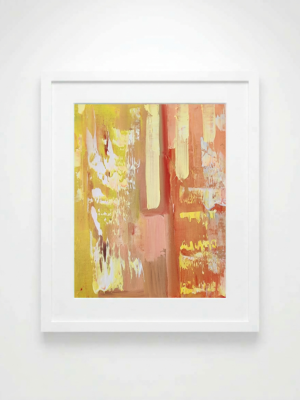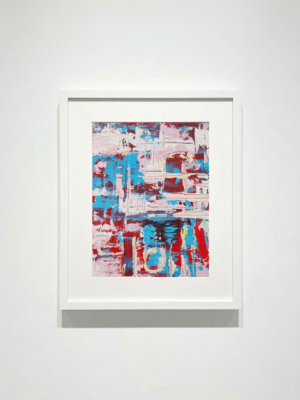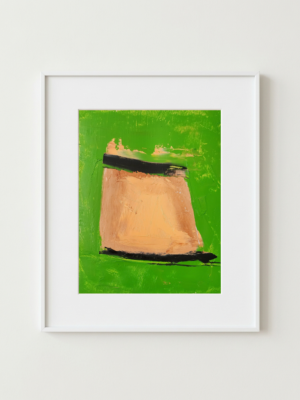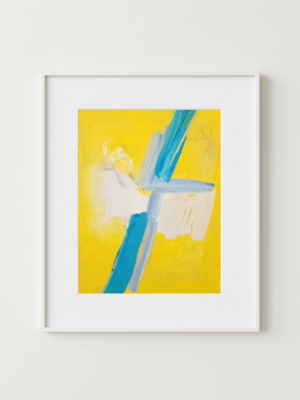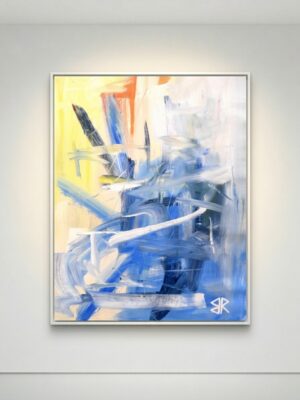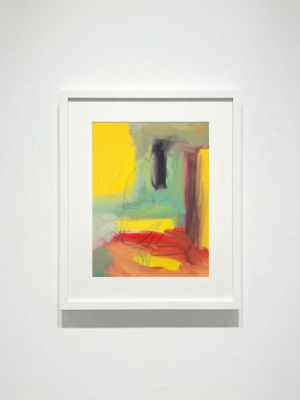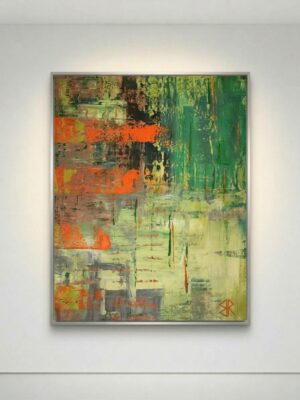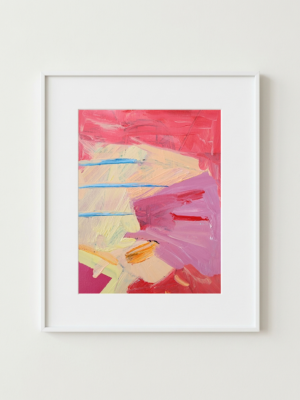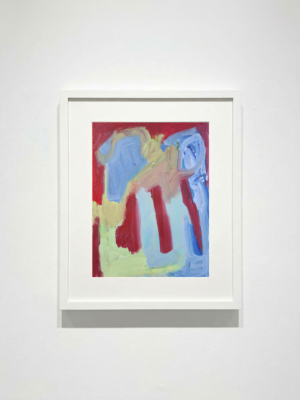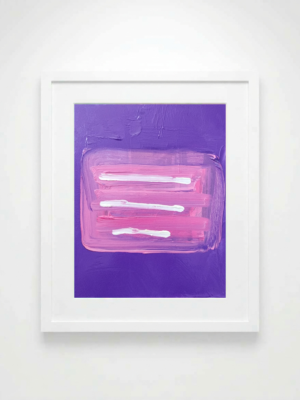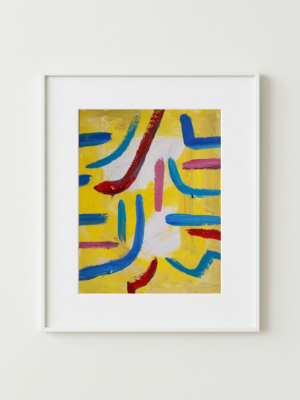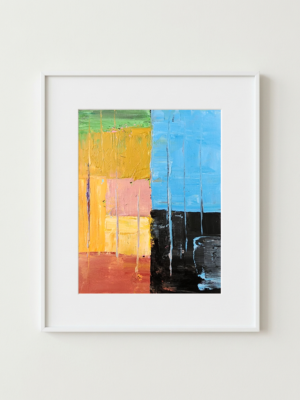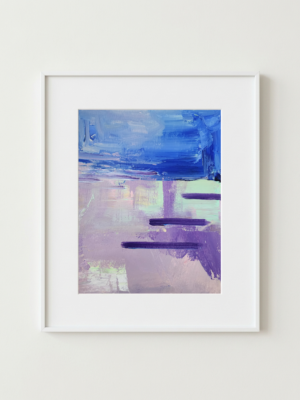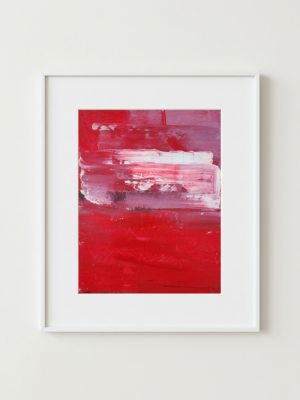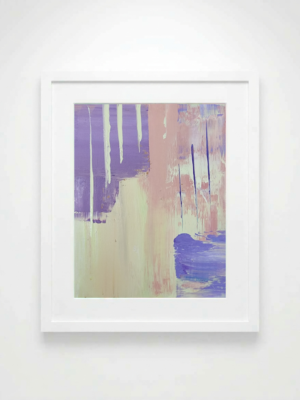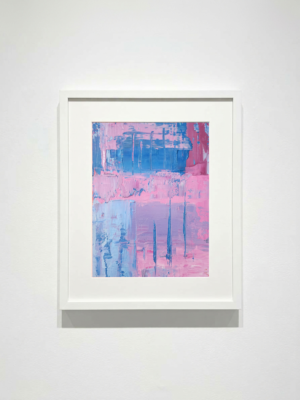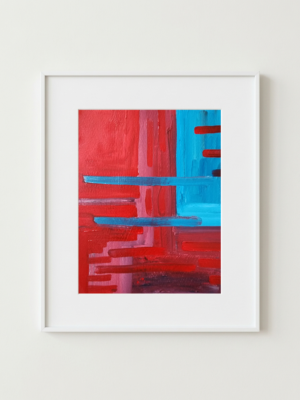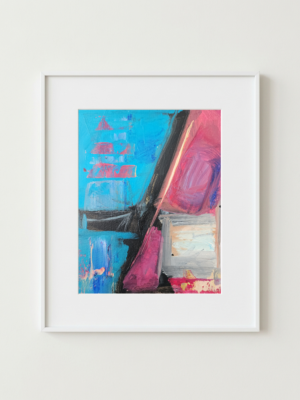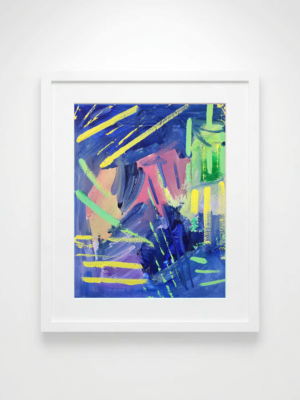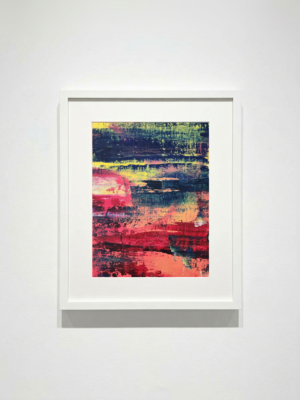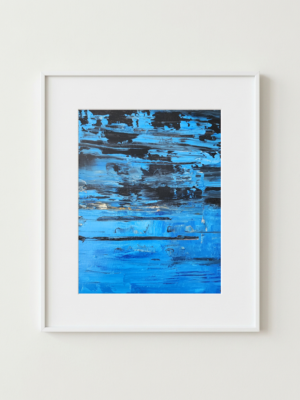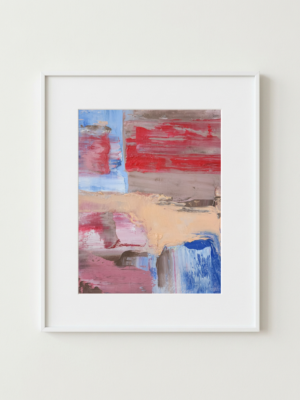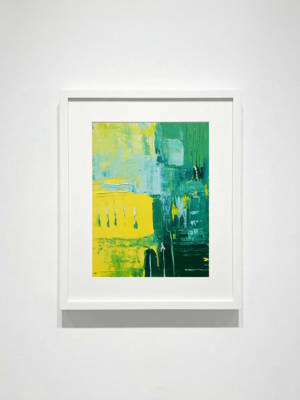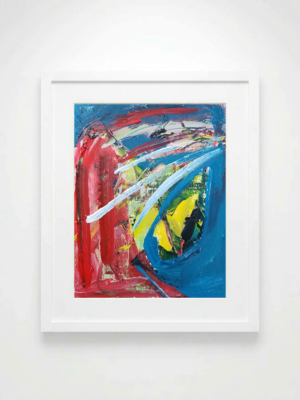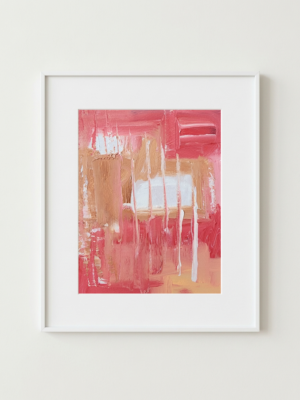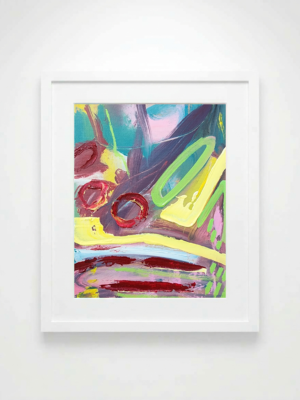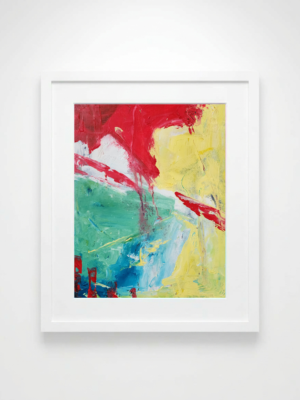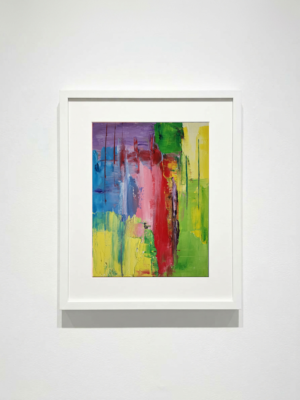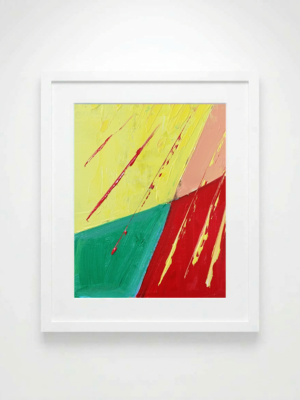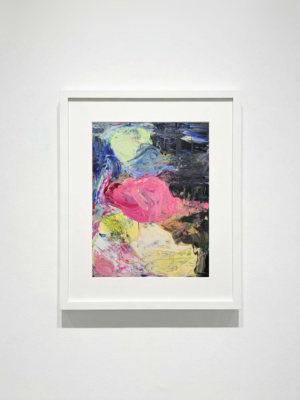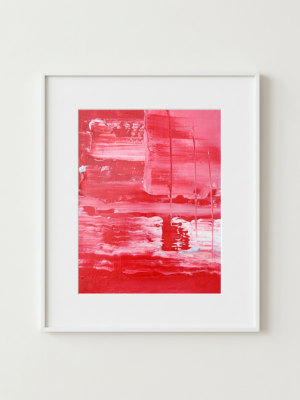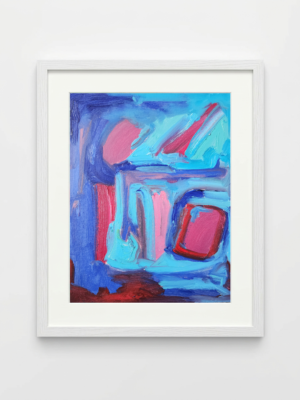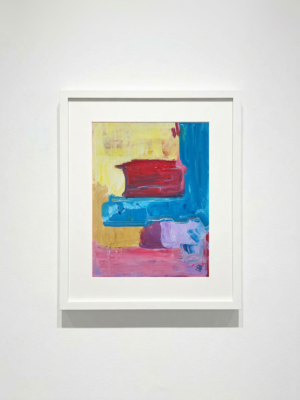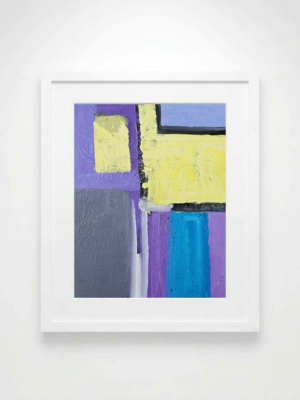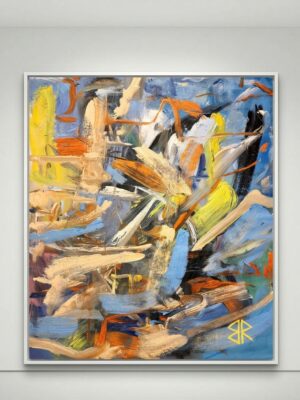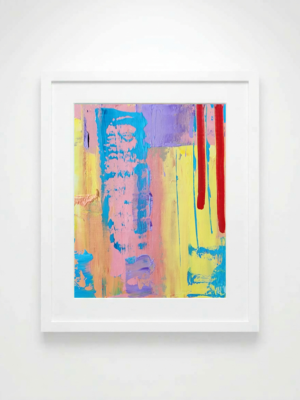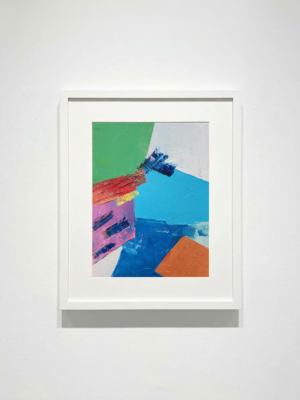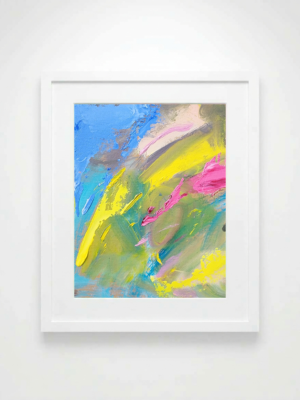

-
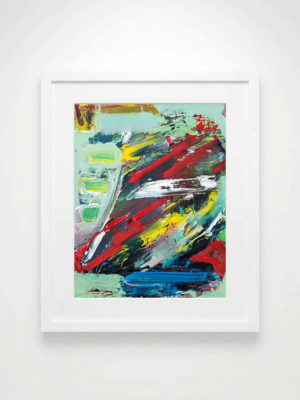
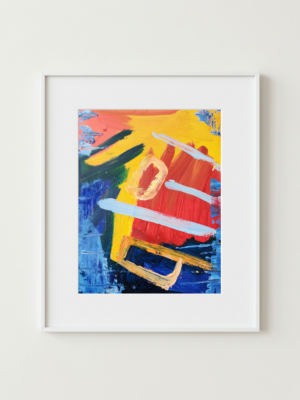
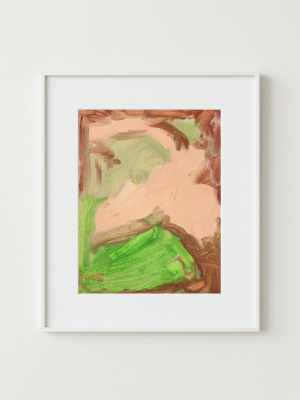
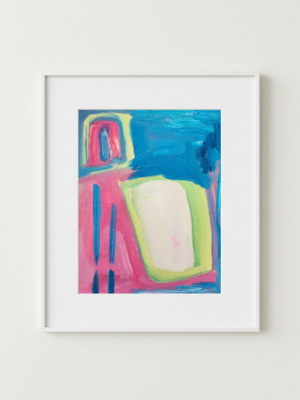
3D WorldRunner
8.5 x 11"
$3,000
-
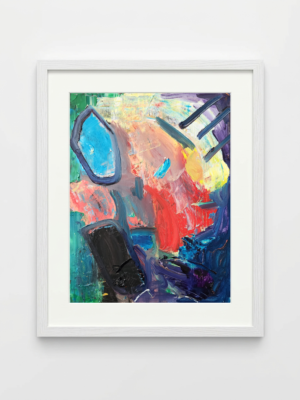
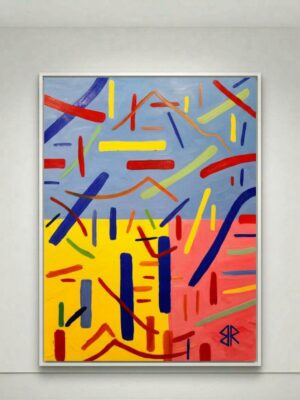
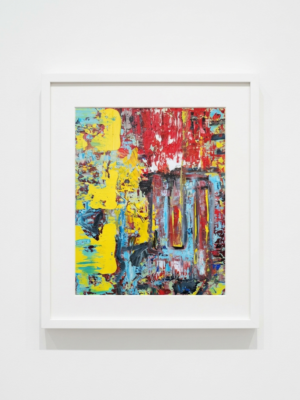
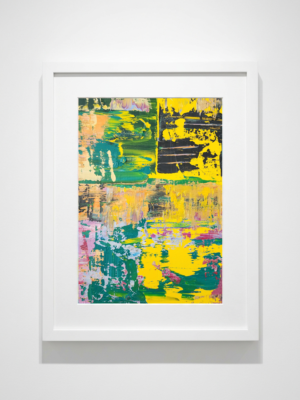
Abduction at Area 51
8.5 x 11"
$3,000
-
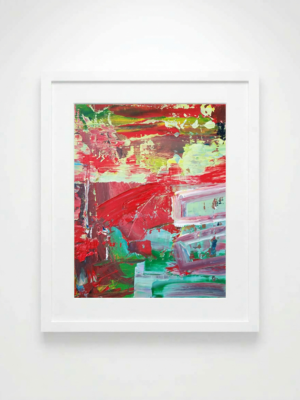
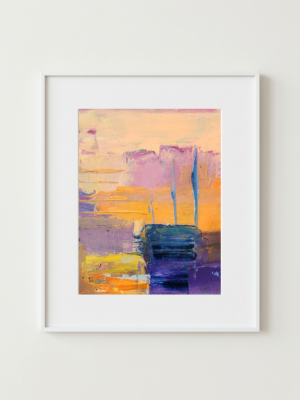
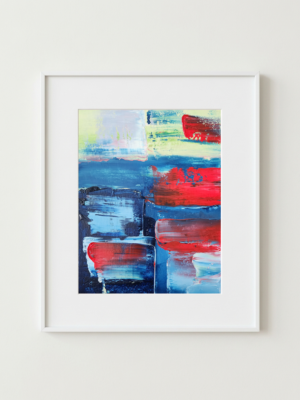
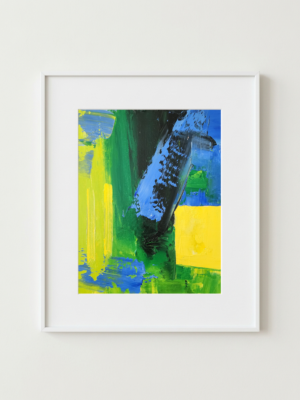
Across the Pond
11" x 14"
$4,000
-
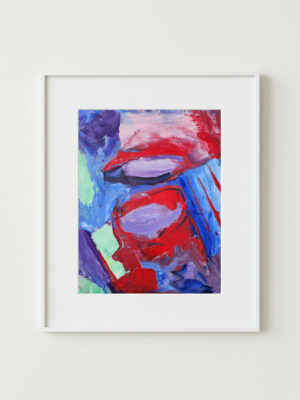
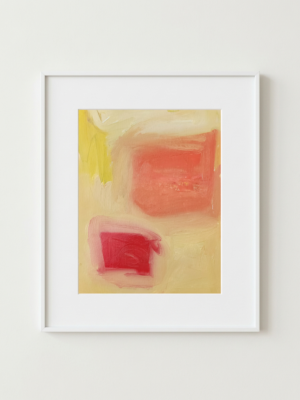
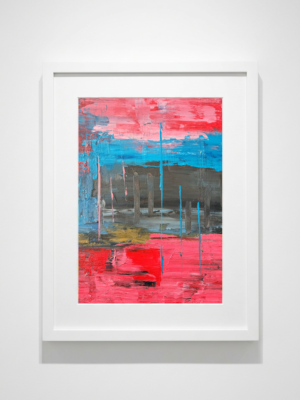
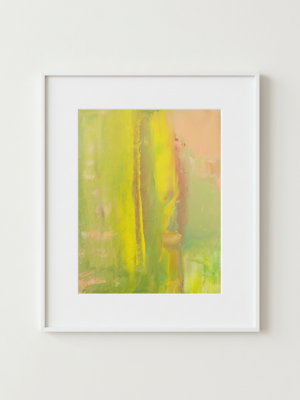
African Savanna
9" x 12"
$3,000
-
Alien Art Critic
8" x 10"
$3,000
-
Alien Autopsy
11" x 14"
$4,000
-
Alien Picnic
8" x 10"
$3,000
-
Aliens Over D.C.
8.5 x 11"
$3,000
-
April Showers Bring May Flowers
8.5 x 11"
$3,000
-
Back to School
8" x 10"
$3,000
-
Beautiful Beginnings
8" x 10"
$3,000
-
Beautiful Mind
8" x 10"
$3,000
-
Beneath the Quiet Mind
9" x 12"
$3,000
-
Big Hair Party
9" x 12"
$3,000
-
Black Magic
8.5 x 11"
$3,000
-
Black Salt Ritual
8.5 x 11"
$3,000
-
Blue Monday
8" x 10"
$3,000
-
Blushing Beauty
16" x 20"
$7,000
-
Bright Promise
8" x 10"
$3,000
-
Candy Motion
8" x 10"
$3,000
-
Catalyst
36" x 48"
$29,000
-
Cosmic Meadow
12" x 16"
$5,000
-
Crazy Ex-Girlfriend
8.5 x 11"
$3,000
-
Crimson Shore
8.5 x 11"
$3,000
-
Dangerous Attraction
8.5 x 11"
$3,000
-
Distant Shores
8.5 x 11"
$3,000
-
Dream Excavation
8" x 10"
$3,000
-
Easter Sunday
8.5 x 11"
$3,000
-
Echoes in Electric Blue
8.5 x 11"
$3,000
-
Echoes of the Deep Mind
8" x 10"
$3,000
-
Electric Valentine
11" x 14"
$4,000
-
Elements
48" x 60"
$48,000
-
Elysian Fields
12" x 16"
$5,000
-
Emotional Baggage
8.5 x 11"
$3,000
-
Emotional Crossroads
8" x 10"
$3,000
-
End of Days
8" x 10"
$3,000
-
Energized
40" x 54"
$36,000
-
Equity Pulse
12" x 16"
$5,000
-
Essence of Elegance
8" x 10"
$3,000
-
Event Horizon
11" x 14"
$4,000
-
Fall from Grace
8.5 x 11"
$3,000
-
Femme Fatale
11" x 14"
$4,000
-
First Bloom
8.5 x 11"
$3,000
-
First Contact
8.5 x 11"
$3,000
-
Floating Dreams
12" x 16"
$5,000
-
Foul Ball
8.5 x 11"
$3,000
-
Fractured Identity
9" x 12"
$3,000
-
Funeral for the Sun
11" x 14"
$4,000
-
Garden Beyond Time
14" x 18"
$6,000
-
Glacier in Twilight
8.5 x 11"
$3,000
-
Golden State of Mind
8" x 10"
$3,000
-
Guardian Angel
9" x 12"
$3,000
-
Heavenly Ascent
11" x 14"
$4,000
-
Hidden Beauty
8" x 10"
$3,000
-
Hidden in the Deep
9" x 12"
$3,000
-
High Gloss Palette
8" x 10"
$3,000
-
Highland Games
8.5 x 11"
$3,000
-
Hope Takes Flight
8.5 x 11"
$3,000
-
Hurricane
30" x 40"
$21,000
-
I See Through You
9" x 12"
$3,000
-
Ice on Mars
8.5 x 11"
$3,000
-
Indian Sunburn
8" x 10"
$3,000
-
Information Superhighway
12" x 16"
$5,000
-
Intersection
54" x 66"
$59,000
-
Joy Unfolding
8.5 x 11"
$3,000
-
Kineticism
36" x 48"
$29,000
-
Liberation of Kuwait
8.5 x 11"
$3,000
-
Life’s a Beach
8.5 x 11"
$3,000
-
Limoncello
8" x 10"
$3,000
-
Lower East Side
36" x 48"
$29,000
-
Luck of the Irish
8.5 x 11"
$3,000
-
Melancholy
48" x 60"
$48,000
-
Melting Sorbet
8.5 x 11"
$3,000
-
Mentally Unstable
8.5 x 11"
$3,000
-
Midnight Cargo
8.5 x 11"
$3,000
-
Midnight Confessions
8.5 x 11"
$3,000
-
Mind Control
8.5 x 11"
$3,000
-
Mind Over Matter
8.5 x 11"
$3,000
-
Neon High Tide
8" x 10"
$3,000
-
Nuclear Blast
9" x 12"
$3,000
-
One Tequila Two Tequila Three Tequila Floor
8.5 x 11"
$3,000
-
Operation Desert Storm
8.5 x 11"
$3,000
-
Out of Focus
8.5 x 11"
$3,000
-
Passage to the Inner Sanctuary
8.5 x 11"
$3,000
-
Patina
36" x 48"
$29,000
-
Picasso’s Palette
8.5 x 11"
$3,000
-
Pillars of Silence
9" x 12"
$3,000
-
Pink Passion
8" x 10"
$3,000
-
Pipe Dream
8.5 x 11"
$3,000
-
Problem Child
8.5 x 11"
$3,000
-
Promise of Spring
8.5 x 11"
$3,000
-
Pulse of the Horizon
8.5 x 11"
$3,000
-
Quiet Persistence
8" x 10"
$3,000
-
Rain Down on Me
9" x 12"
$3,000
-
Redshift Anomaly
8.5 x 11"
$3,000
-
Rocket Science
8.5 x 11"
$3,000
-
Rusty Hardware
8" x 10"
$3,000
-
Scratching Post
8.5 x 11"
$3,000
-
Secret Admirer
8.5 x 11"
$3,000
-
Spring Awakening
8.5 x 11"
$3,000
-
Stargazing
16" x 20"
$7,000
-
Static Horizon
9" x 12"
$3,000
-
Stormy Seas
8.5 x 11"
$3,000
-
Strata of Memory
8.5 x 11"
$3,000
-
Subliminal Message
8.5 x 11"
$3,000
-
Submerged Canopy
8.5 x 11"
$3,000
-
Subterranean Hive
11" x 14"
$4,000
-
Summer Fields
9" x 12"
$3,000
-
Summer Grass
9" x 12"
$3,000
-
Symphony in Blue and Crimson
8" x 10"
$3,000
-
Tangled Heartstrings
8.5 x 11"
$3,000
-
The Art of Seduction
8" x 10"
$3,000
-
The Bleeding Sky
16" x 20"
$7,000
-
The Color Parade
9" x 12"
$3,000
-
The Day the Sun Accidentally Spilled its Juice Box
8" x 10"
$3,000
-
The Dying Rose
9" x 12"
$3,000
-
The Earthen Frame
8.5 x 11"
$3,000
-
The Forgotten Ritual
14" x 18"
$6,000
-
The Hidden Tide
8.5 x 11"
$3,000
-
The Inner Sanctum
12" x 16"
$5,000
-
The Joy Equation
8" x 10"
$3,000
-
The Language of Beauty
8" x 10"
$3,000
-
The Lipstick Symphony
8" x 10"
$3,000
-
The Playground
8" x 10"
$3,000
-
The Romantic Tide
8.5 x 11"
$3,000
-
The Roswell Incident
11" x 14"
$4,000
-
The Weight of Memory
9" x 12"
$3,000
-
Through Invisible Walls
8" x 10"
$3,000
-
Thunderstruck
11" x 14"
$4,000
-
Timeless Allure
8" x 10"
$3,000
-
Toxicology
9" x 12"
$3,000
-
Trading Floor
12" x 12"
$4,000
-
Turbulence
36" x 40"
$25,000
-
Two Red Stripes Walk into a Bubble Gum Factory
8" x 10"
$3,000
-
Vantage Point
9" x 12"
$3,000
-
Velvet Contour
8" x 10"
$3,000
-
View from Above
8" x 10"
$3,000
-
Wandering Echoes
9" x 12"
$3,000
-
War Crimes
12" x 16"
$5,000
-
Watermelon Highway
8" x 10"
$3,000
-
Wayback Playback
8.5 x 11"
$3,000
-
Weapons of Mass Destruction
12" x 16"
$5,000
-
Welcome to the Jungle
11" x 14"
$4,000
-
Whisper of the Meadow
8.5 x 11"
$3,000
-
Window Into Heaven
9" x 12"
$3,000
-
Window Shopping
8.5 x 11"
$3,000
-
Wrong Side of Town
8.5 x 11"
$3,000
-
Yellow Fever
8" x 10"
$3,000
-
3D WorldRunner
8.5 x 11" $3,000 -
Abduction at Area 51
8.5 x 11" $3,000 -
Across the Pond
11" x 14" $4,000 -
African Savanna
9" x 12" $3,000 -
Alien Art Critic
8" x 10" $3,000 -
Alien Autopsy
11" x 14" $4,000 -
Alien Picnic
8" x 10" $3,000 -
Aliens Over D.C.
8.5 x 11" $3,000 -
April Showers Bring May Flowers
8.5 x 11" $3,000 -
Back to School
8" x 10" $3,000 -
Beautiful Beginnings
8" x 10" $3,000 -
Beautiful Mind
8" x 10" $3,000 -
Beneath the Quiet Mind
9" x 12" $3,000 -
Big Hair Party
9" x 12" $3,000 -
Black Magic
8.5 x 11" $3,000 -
Black Salt Ritual
8.5 x 11" $3,000 -
Blue Monday
8" x 10" $3,000 -
Blushing Beauty
16" x 20" $7,000 -
Bright Promise
8" x 10" $3,000 -
Candy Motion
8" x 10" $3,000 -
Catalyst
36" x 48" $29,000 -
Cosmic Meadow
12" x 16" $5,000 -
Crazy Ex-Girlfriend
8.5 x 11" $3,000 -
Crimson Shore
8.5 x 11" $3,000 -
Dangerous Attraction
8.5 x 11" $3,000 -
Distant Shores
8.5 x 11" $3,000 -
Dream Excavation
8" x 10" $3,000 -
Easter Sunday
8.5 x 11" $3,000 -
Echoes in Electric Blue
8.5 x 11" $3,000 -
Echoes of the Deep Mind
8" x 10" $3,000 -
Electric Valentine
11" x 14" $4,000 -
Elements
48" x 60" $48,000 -
Elysian Fields
12" x 16" $5,000 -
Emotional Baggage
8.5 x 11" $3,000 -
Emotional Crossroads
8" x 10" $3,000 -
End of Days
8" x 10" $3,000 -
Energized
40" x 54" $36,000 -
Equity Pulse
12" x 16" $5,000 -
Essence of Elegance
8" x 10" $3,000 -
Event Horizon
11" x 14" $4,000 -
Fall from Grace
8.5 x 11" $3,000 -
Femme Fatale
11" x 14" $4,000 -
First Bloom
8.5 x 11" $3,000 -
First Contact
8.5 x 11" $3,000 -
Floating Dreams
12" x 16" $5,000 -
Foul Ball
8.5 x 11" $3,000 -
Fractured Identity
9" x 12" $3,000 -
Funeral for the Sun
11" x 14" $4,000 -
Garden Beyond Time
14" x 18" $6,000 -
Glacier in Twilight
8.5 x 11" $3,000 -
Golden State of Mind
8" x 10" $3,000 -
Guardian Angel
9" x 12" $3,000 -
Heavenly Ascent
11" x 14" $4,000 -
Hidden Beauty
8" x 10" $3,000 -
Hidden in the Deep
9" x 12" $3,000 -
High Gloss Palette
8" x 10" $3,000 -
Highland Games
8.5 x 11" $3,000 -
Hope Takes Flight
8.5 x 11" $3,000 -
Hurricane
30" x 40" $21,000 -
I See Through You
9" x 12" $3,000 -
Ice on Mars
8.5 x 11" $3,000 -
Indian Sunburn
8" x 10" $3,000 -
Information Superhighway
12" x 16" $5,000 -
Intersection
54" x 66" $59,000 -
Joy Unfolding
8.5 x 11" $3,000 -
Kineticism
36" x 48" $29,000 -
Liberation of Kuwait
8.5 x 11" $3,000 -
Life’s a Beach
8.5 x 11" $3,000 -
Limoncello
8" x 10" $3,000 -
Lower East Side
36" x 48" $29,000 -
Luck of the Irish
8.5 x 11" $3,000 -
Melancholy
48" x 60" $48,000 -
Melting Sorbet
8.5 x 11" $3,000 -
Mentally Unstable
8.5 x 11" $3,000 -
Midnight Cargo
8.5 x 11" $3,000 -
Midnight Confessions
8.5 x 11" $3,000 -
Mind Control
8.5 x 11" $3,000 -
Mind Over Matter
8.5 x 11" $3,000 -
Neon High Tide
8" x 10" $3,000 -
Nuclear Blast
9" x 12" $3,000 -
One Tequila Two Tequila Three Tequila Floor
8.5 x 11" $3,000 -
Operation Desert Storm
8.5 x 11" $3,000 -
Out of Focus
8.5 x 11" $3,000 -
Passage to the Inner Sanctuary
8.5 x 11" $3,000 -
Patina
36" x 48" $29,000 -
Picasso’s Palette
8.5 x 11" $3,000 -
Pillars of Silence
9" x 12" $3,000 -
Pink Passion
8" x 10" $3,000 -
Pipe Dream
8.5 x 11" $3,000 -
Problem Child
8.5 x 11" $3,000 -
Promise of Spring
8.5 x 11" $3,000 -
Pulse of the Horizon
8.5 x 11" $3,000 -
Quiet Persistence
8" x 10" $3,000 -
Rain Down on Me
9" x 12" $3,000 -
Redshift Anomaly
8.5 x 11" $3,000 -
Rocket Science
8.5 x 11" $3,000 -
Rusty Hardware
8" x 10" $3,000 -
Scratching Post
8.5 x 11" $3,000 -
Secret Admirer
8.5 x 11" $3,000 -
Spring Awakening
8.5 x 11" $3,000 -
Stargazing
16" x 20" $7,000 -
Static Horizon
9" x 12" $3,000 -
Stormy Seas
8.5 x 11" $3,000 -
Strata of Memory
8.5 x 11" $3,000 -
Subliminal Message
8.5 x 11" $3,000 -
Submerged Canopy
8.5 x 11" $3,000 -
Subterranean Hive
11" x 14" $4,000 -
Summer Fields
9" x 12" $3,000 -
Summer Grass
9" x 12" $3,000 -
Symphony in Blue and Crimson
8" x 10" $3,000 -
Tangled Heartstrings
8.5 x 11" $3,000 -
The Art of Seduction
8" x 10" $3,000 -
The Bleeding Sky
16" x 20" $7,000 -
The Color Parade
9" x 12" $3,000 -
The Day the Sun Accidentally Spilled its Juice Box
8" x 10" $3,000 -
The Dying Rose
9" x 12" $3,000 -
The Earthen Frame
8.5 x 11" $3,000 -
The Forgotten Ritual
14" x 18" $6,000 -
The Hidden Tide
8.5 x 11" $3,000 -
The Inner Sanctum
12" x 16" $5,000 -
The Joy Equation
8" x 10" $3,000 -
The Language of Beauty
8" x 10" $3,000 -
The Lipstick Symphony
8" x 10" $3,000 -
The Playground
8" x 10" $3,000 -
The Romantic Tide
8.5 x 11" $3,000 -
The Roswell Incident
11" x 14" $4,000 -
The Weight of Memory
9" x 12" $3,000 -
Through Invisible Walls
8" x 10" $3,000 -
Thunderstruck
11" x 14" $4,000 -
Timeless Allure
8" x 10" $3,000 -
Toxicology
9" x 12" $3,000 -
Trading Floor
12" x 12" $4,000 -
Turbulence
36" x 40" $25,000 -
Two Red Stripes Walk into a Bubble Gum Factory
8" x 10" $3,000 -
Vantage Point
9" x 12" $3,000 -
Velvet Contour
8" x 10" $3,000 -
View from Above
8" x 10" $3,000 -
Wandering Echoes
9" x 12" $3,000 -
War Crimes
12" x 16" $5,000 -
Watermelon Highway
8" x 10" $3,000 -
Wayback Playback
8.5 x 11" $3,000 -
Weapons of Mass Destruction
12" x 16" $5,000 -
Welcome to the Jungle
11" x 14" $4,000 -
Whisper of the Meadow
8.5 x 11" $3,000 -
Window Into Heaven
9" x 12" $3,000 -
Window Shopping
8.5 x 11" $3,000 -
Wrong Side of Town
8.5 x 11" $3,000 -
Yellow Fever
8" x 10" $3,000